


How can plus-size women achieve a "paper-thin" look with a knit dress?
Release Time : 2026-04-27
In the fashion dictionary of plus-size women, the "knit dress" used to be a love-hate relationship. They loved its soft, supple feel, but feared its clingy fit that could accentuate their weight; they loved its elegant style, but feared it would expose their flaws. However, when a well-tailored, high-quality knit dress meets the right styling wisdom, it can transform into a "slimming magic weapon," turning the curves of a plus-size figure into a light and graceful "paper-thin" silhouette. This isn't magic, but rather a precise control over the cut, fabric, and styling details—an aesthetic game of "concealing" and "revealing."
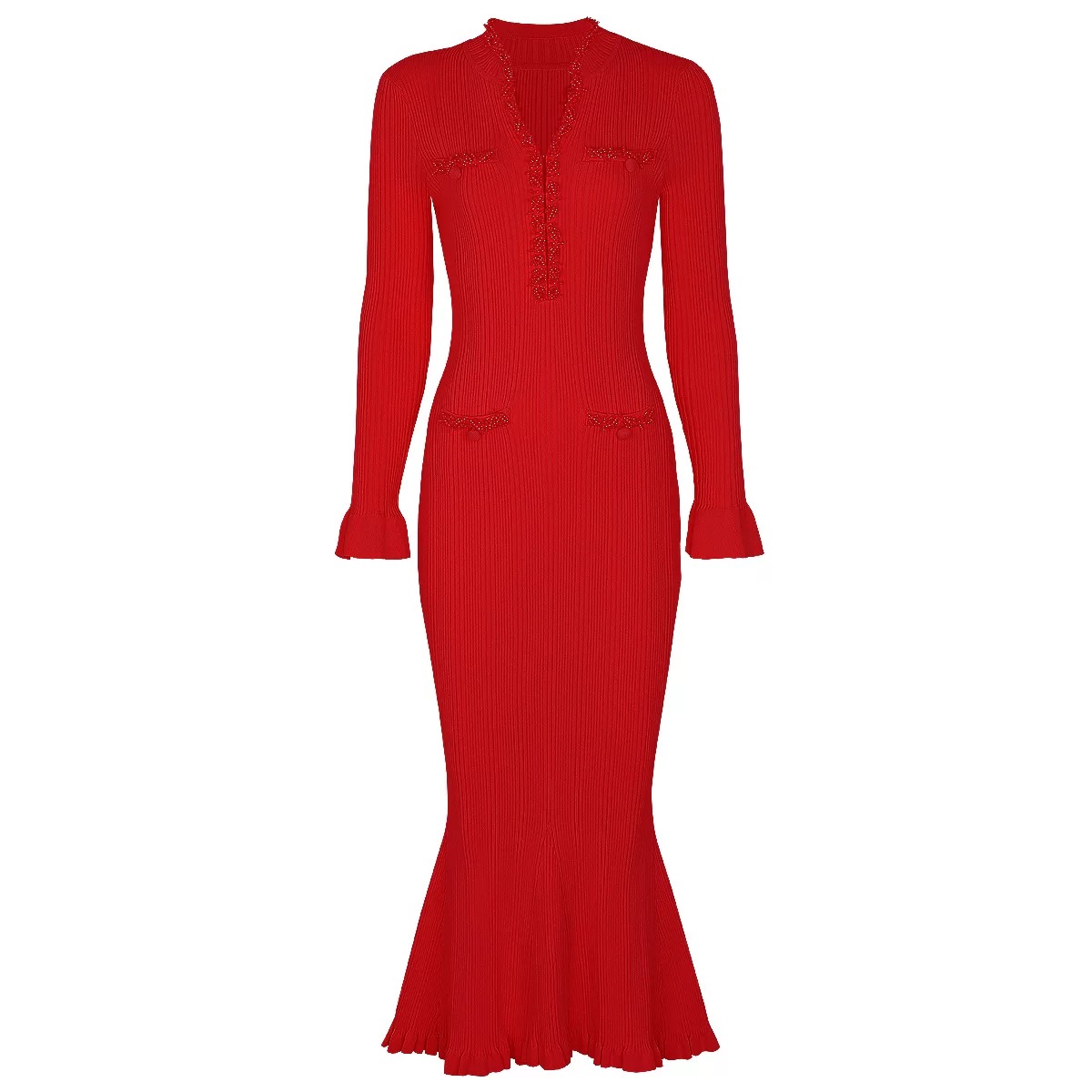
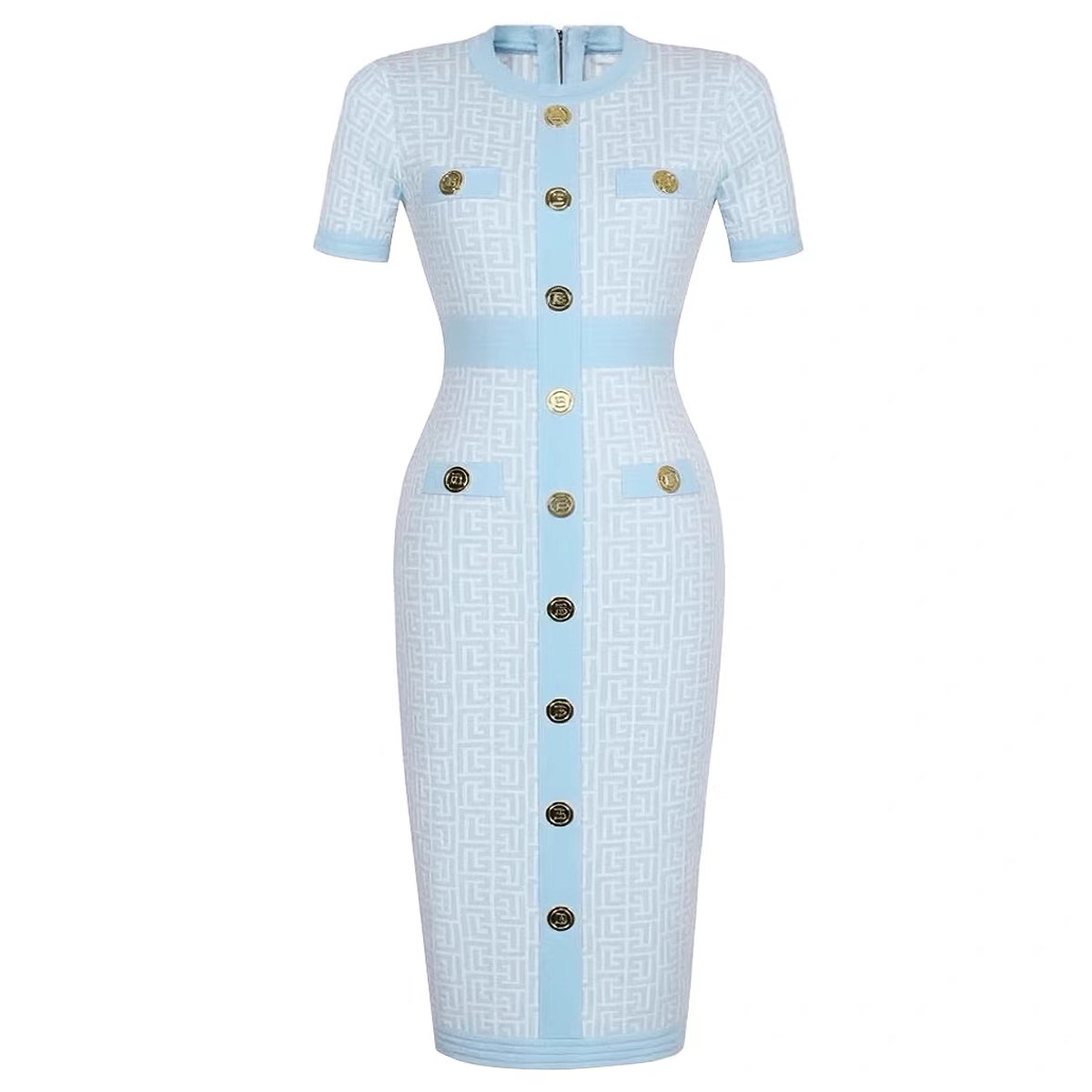
The cut is the "skeleton" of a knit dress's slimming effect. A slightly loose, straight or A-line silhouette is key to breaking the misconception that "tight = slimming." For plus-size women, an overly fitted knit dress will magnify the fat around the waist and hips, while a completely loose H-line can easily blur the waistline and make them look bulky. A true "paper-thin" silhouette creates a sense of vertical lines while still being forgiving of the body. For example, a slightly loose, straight-cut knit dress cleverly conceals a small belly and any swelling through appropriately sized waist and hip circumference, while maintaining a clean and upright overall shape. A high-waisted A-line skirt flares out naturally from the narrowest part of the hips, using its smooth curves to cover thick thighs and a large bottom, revealing only slender ankles. This "tight on top, loose on the bottom" or "loose overall but with a defined waist" design avoids a feeling of tightness and elongates the figure through a vertical visual effect, making the wearer appear as thin as paper.
The drape and softness of the fabric are the "soul" of a knit dress's slimming effect, determining whether it "clings to the body and makes you look heavier" or "drapes and hides flaws." High-quality knit fabrics should have a natural drape, flowing like water along the body's lines, rather than stiffly stretched or limply clinging to the body. For example, thick cotton knits or blends containing acrylic or nylon provide sufficient warmth while maintaining shape through the elasticity and resilience of the fibers, preventing awkward wrinkles with movement. Fabrics with good drape create smooth vertical lines, shifting the focus from horizontal width to vertical length, thus minimizing the appearance of a rounder figure. Furthermore, avoid chunky knits with high volume and stiffness, as these add bulk. Instead, opt for fine, straight knits or vertical stripes, which have a visually slimming effect.
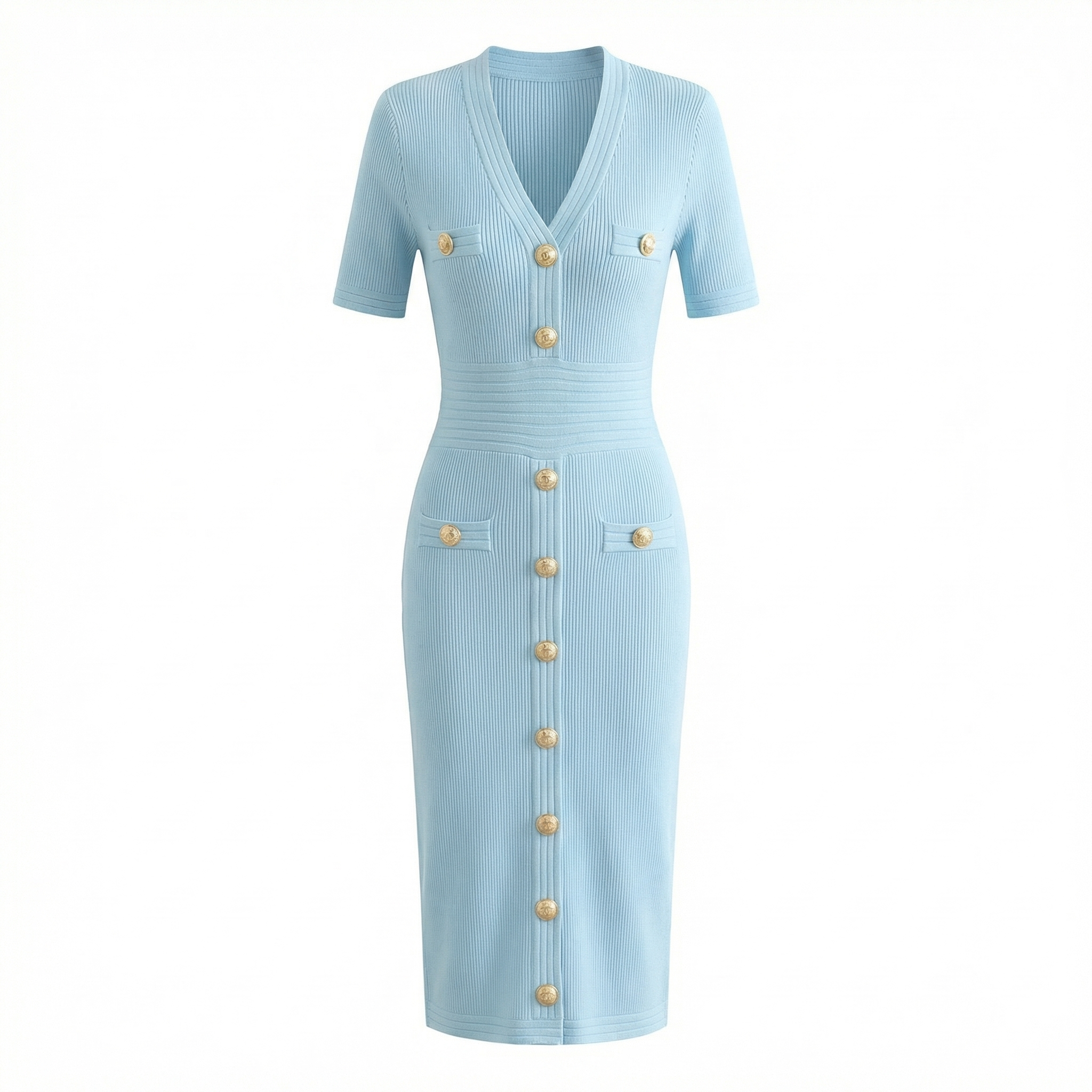
Detailed design is the finishing touch of a knit dress, enhancing the "paper-thin" effect through targeted optimization. The neckline is the first visual focal point for a slimming effect; square or V-neck designs reveal the collarbone and neck, elongating the upper body proportions, making the face appear smaller, and exuding a retro elegance. Three-quarter or mid-length sleeves perfectly cover the thickest part of the arms, reducing the appearance of fleshy shoulders. The waistline is crucial; a clever tie-waist design starts cinching at the hips rather than the lower abdomen, perfectly avoiding a rounded belly. It conceals the tummy while creating a more curvaceous silhouette by adjusting the waistline. The skirt's subtle details shouldn't be overlooked either; side slits or delicate ruffles break the monotony of a long skirt, subtly revealing the legs as you walk, creating a lighter and more dynamic look than a fully covered style.
Styling is key to maximizing the slimming effect of a knit dress. The "tight on top, loose on bottom" or "loose on the outside, tight on the inside" formula is the secret to dressing for plus-size women. When worn alone, a fitted knit top paired with a high-waisted A-line knit skirt creates an hourglass figure through a defined waistline. When layered, a flowing long coat or blazer further emphasizes vertical lines, concealing wide hips and thick legs. Accessory selection should also follow the principle of "simplicity and focus." A thin belt defines the waistline, a quilted bag placed at the side narrows the visual line, and pointed shoes elongate the leg line—these details can further accentuate the "paper-thin" effect.
From the precise tailoring of the design to the choice of fabric drape, from the clever design of details to the layering of outfits, the "paper-thin" magic of the knit dress essentially amplifies the body's strengths and minimizes its weaknesses. It doesn't require women to have a perfect figure, but rather uses the wisdom of dressing to allow every body type to radiate its unique beauty. When a slightly plump woman wears such a knit dress, the image in the mirror is no longer one of anxiety about looking "fat," but rather one of confidence in being "slender and straight." This is the power that clothing gives to women—to meet a more beautiful version of themselves through inclusiveness and enhancement.
The cut is the "skeleton" of a knit dress's slimming effect. A slightly loose, straight or A-line silhouette is key to breaking the misconception that "tight = slimming." For plus-size women, an overly fitted knit dress will magnify the fat around the waist and hips, while a completely loose H-line can easily blur the waistline and make them look bulky. A true "paper-thin" silhouette creates a sense of vertical lines while still being forgiving of the body. For example, a slightly loose, straight-cut knit dress cleverly conceals a small belly and any swelling through appropriately sized waist and hip circumference, while maintaining a clean and upright overall shape. A high-waisted A-line skirt flares out naturally from the narrowest part of the hips, using its smooth curves to cover thick thighs and a large bottom, revealing only slender ankles. This "tight on top, loose on the bottom" or "loose overall but with a defined waist" design avoids a feeling of tightness and elongates the figure through a vertical visual effect, making the wearer appear as thin as paper.
The drape and softness of the fabric are the "soul" of a knit dress's slimming effect, determining whether it "clings to the body and makes you look heavier" or "drapes and hides flaws." High-quality knit fabrics should have a natural drape, flowing like water along the body's lines, rather than stiffly stretched or limply clinging to the body. For example, thick cotton knits or blends containing acrylic or nylon provide sufficient warmth while maintaining shape through the elasticity and resilience of the fibers, preventing awkward wrinkles with movement. Fabrics with good drape create smooth vertical lines, shifting the focus from horizontal width to vertical length, thus minimizing the appearance of a rounder figure. Furthermore, avoid chunky knits with high volume and stiffness, as these add bulk. Instead, opt for fine, straight knits or vertical stripes, which have a visually slimming effect.
Detailed design is the finishing touch of a knit dress, enhancing the "paper-thin" effect through targeted optimization. The neckline is the first visual focal point for a slimming effect; square or V-neck designs reveal the collarbone and neck, elongating the upper body proportions, making the face appear smaller, and exuding a retro elegance. Three-quarter or mid-length sleeves perfectly cover the thickest part of the arms, reducing the appearance of fleshy shoulders. The waistline is crucial; a clever tie-waist design starts cinching at the hips rather than the lower abdomen, perfectly avoiding a rounded belly. It conceals the tummy while creating a more curvaceous silhouette by adjusting the waistline. The skirt's subtle details shouldn't be overlooked either; side slits or delicate ruffles break the monotony of a long skirt, subtly revealing the legs as you walk, creating a lighter and more dynamic look than a fully covered style.
Styling is key to maximizing the slimming effect of a knit dress. The "tight on top, loose on bottom" or "loose on the outside, tight on the inside" formula is the secret to dressing for plus-size women. When worn alone, a fitted knit top paired with a high-waisted A-line knit skirt creates an hourglass figure through a defined waistline. When layered, a flowing long coat or blazer further emphasizes vertical lines, concealing wide hips and thick legs. Accessory selection should also follow the principle of "simplicity and focus." A thin belt defines the waistline, a quilted bag placed at the side narrows the visual line, and pointed shoes elongate the leg line—these details can further accentuate the "paper-thin" effect.
From the precise tailoring of the design to the choice of fabric drape, from the clever design of details to the layering of outfits, the "paper-thin" magic of the knit dress essentially amplifies the body's strengths and minimizes its weaknesses. It doesn't require women to have a perfect figure, but rather uses the wisdom of dressing to allow every body type to radiate its unique beauty. When a slightly plump woman wears such a knit dress, the image in the mirror is no longer one of anxiety about looking "fat," but rather one of confidence in being "slender and straight." This is the power that clothing gives to women—to meet a more beautiful version of themselves through inclusiveness and enhancement.