


How Do Different Button Placements and Knit Textures Affect the Visual Appeal of Women's V-Neck Long-Sleeved Cardigans?
Release Time : 2026-03-18
The women’s V-neck long-sleeved cardigan stands as a timeless staple in modern wardrobes, prized for its versatility and ability to bridge the gap between casual comfort and polished sophistication. While the fundamental silhouette remains consistent, the visual appeal and stylistic impact of this garment are profoundly influenced by two critical design elements: button placement and knit texture. These seemingly minor details act as the silent architects of the garment’s character, dictating how light plays across the fabric, how the eye travels down the body, and ultimately, how the piece complements the wearer’s unique form. Understanding the interplay between these features reveals why two cardigans with the same cut can evoke entirely different fashion statements.
Button placement serves as the primary focal point that guides the viewer’s gaze and defines the proportions of the outfit. In a V-neck cardigan, the neckline itself creates a vertical line that elongates the neck and draws attention to the collarbone, but the arrangement of buttons can either reinforce or disrupt this effect. A traditional center-front placket with evenly spaced buttons offers a classic, balanced look that appeals to conservative sensibilities and provides a structured frame for the torso. However, shifting the buttons slightly off-center or utilizing an asymmetrical closure can introduce a modern, avant-garde edge, breaking the symmetry to create dynamic visual interest. Furthermore, the spacing between buttons matters significantly; widely spaced buttons on a longer cardigan can create a sense of openness and fluidity, allowing the underlying outfit to peek through, while closely clustered buttons provide a more secure, modest appearance that emphasizes the vertical line of the garment, making the wearer appear taller and slimmer.
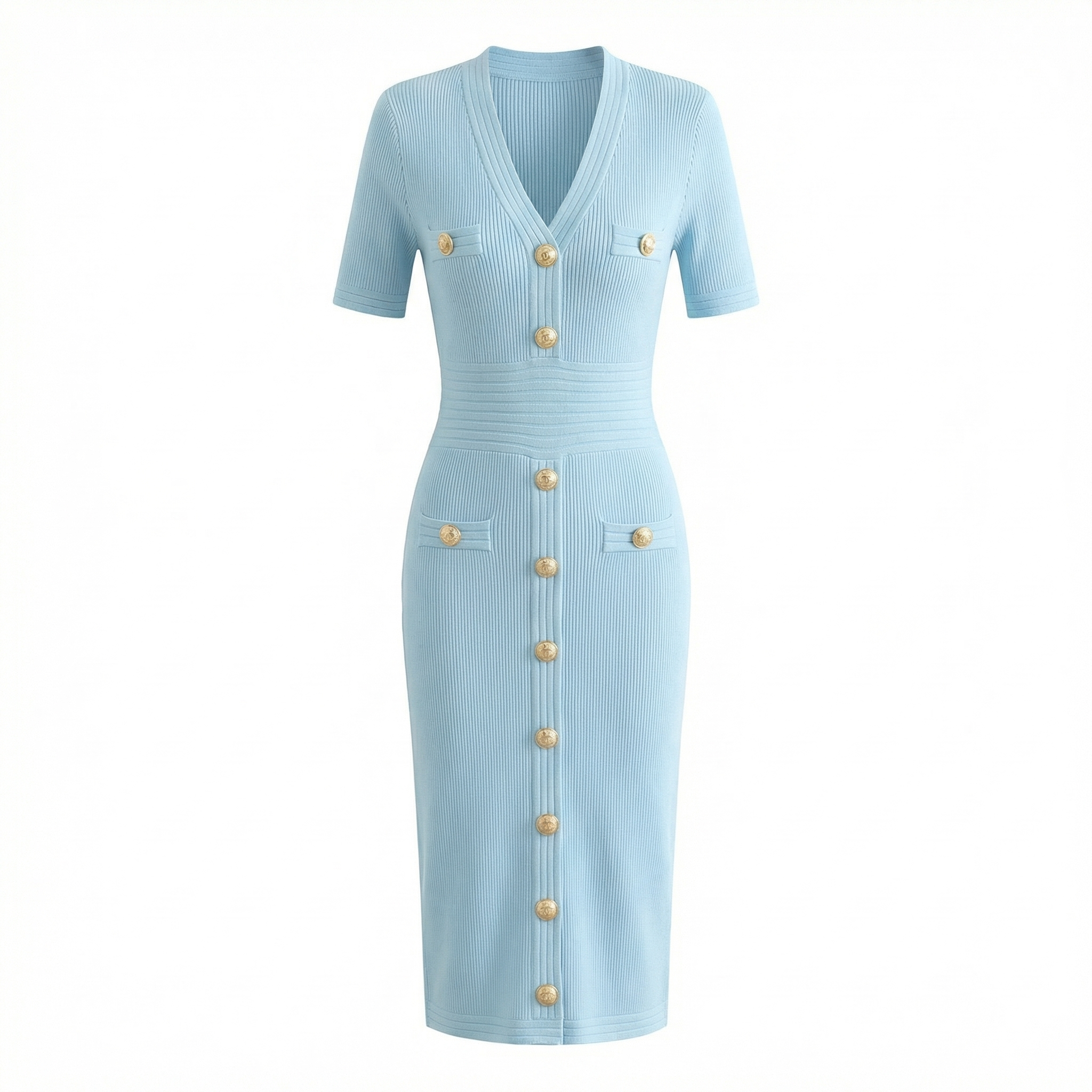
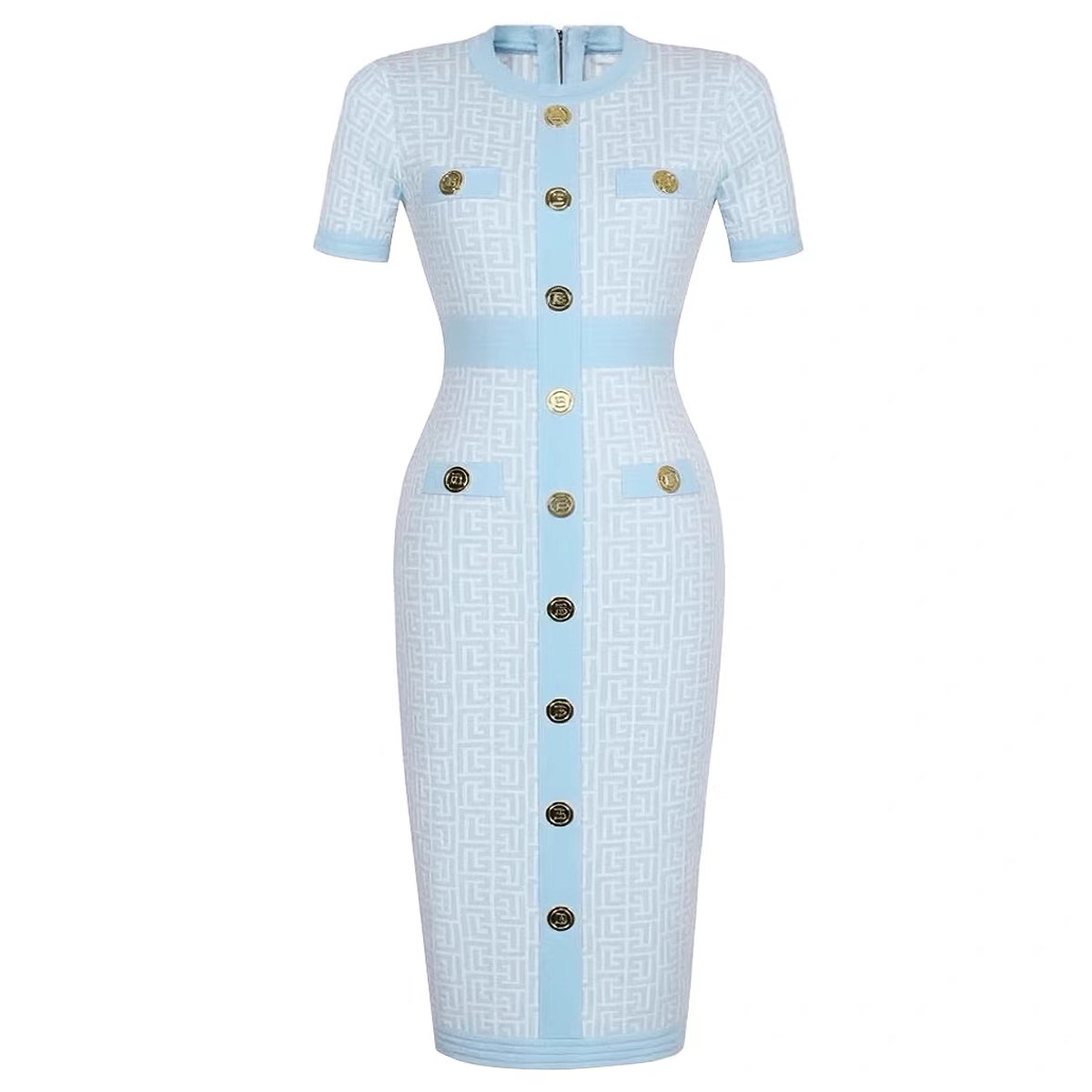
The material and style of the buttons themselves also contribute heavily to the overall aesthetic. Large, statement buttons made of wood, horn, or metallic finishes can transform a simple knit into a bold fashion piece, drawing the eye immediately to the waist or bust area depending on their concentration. Conversely, tiny, invisible buttons or snap closures allow the knit texture to take center stage, offering a seamless, minimalist look that is ideal for layering under blazers or wearing over delicate camisoles without visual clutter. The decision to place buttons all the way to the hem versus stopping at the waist also alters the silhouette; a full-length button line allows the cardigan to be worn as a dress or a tunic, creating a continuous column of color, whereas a waist-length button arrangement encourages the garment to be worn open, highlighting the hips and creating a more relaxed, draped effect.
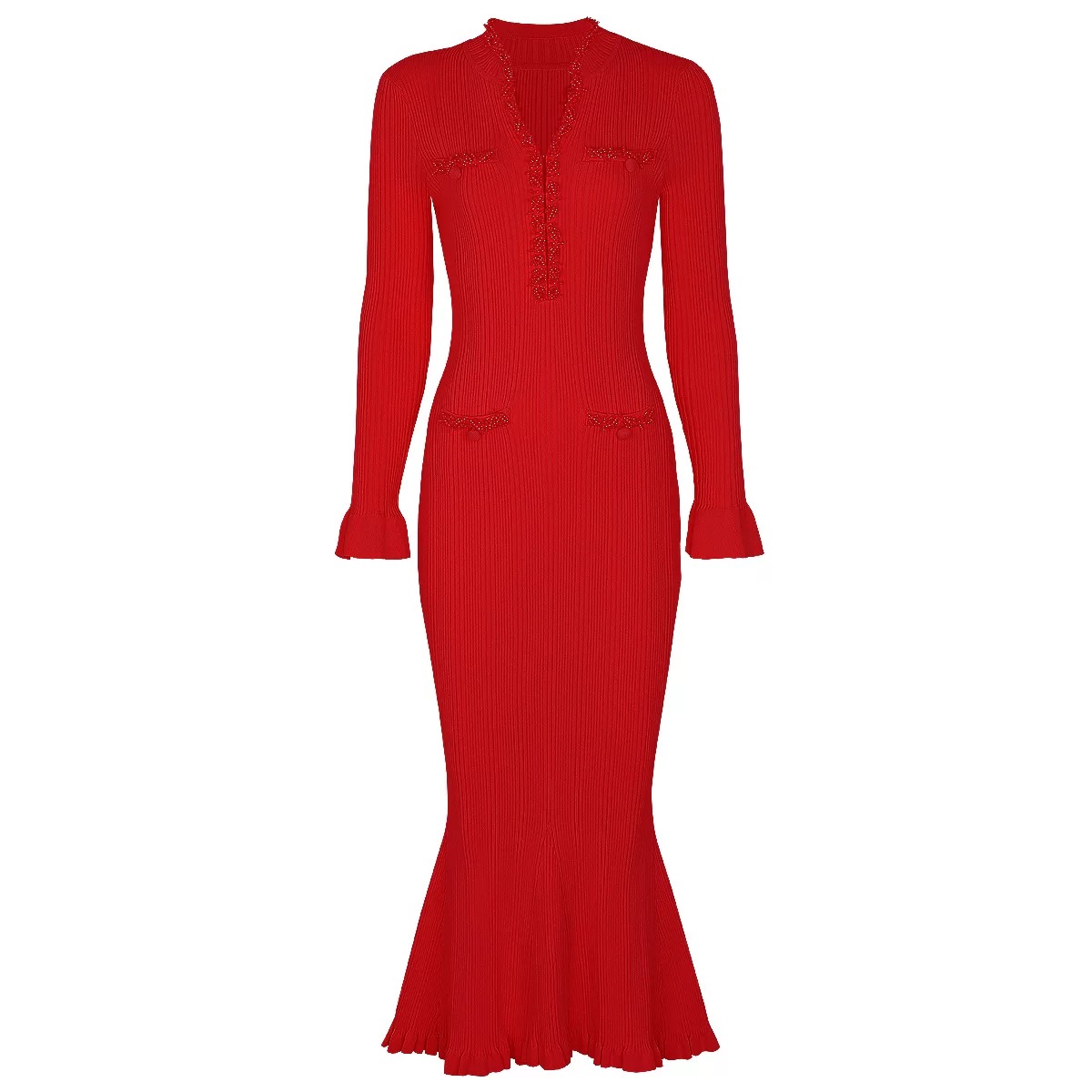
Parallel to the structural influence of buttons, knit texture dictates the tactile quality and visual depth of the cardigan, affecting how the garment interacts with light and shadow. A fine-gauge jersey or ribbed knit offers a sleek, smooth surface that drapes closely to the body, creating a streamlined silhouette that is flattering for layering and suitable for professional environments. The vertical lines of a ribbed texture, in particular, work in harmony with the V-neck to further enhance the illusion of height and slimness. In contrast, chunky cable knits or bouclé textures introduce significant volume and three-dimensional complexity. These raised patterns catch the light in multifaceted ways, creating a cozy, rustic charm that adds warmth and substance to the outfit. However, the added bulk of textured knits can widen the visual profile, making them better suited for cooler weather or styles where a relaxed, oversized fit is desired.
The interaction between texture and button placement creates a synergistic effect that defines the cardigan’s personality. For instance, a heavy cable-knit cardigan often pairs best with substantial, rustic buttons that match the weight of the fabric, preventing the hardware from looking lost or delicate against the robust texture. On the other hand, a fine merino wool cardigan benefits from petite, refined buttons that maintain the garment’s elegant drape without pulling or distorting the delicate weave. When a textured pattern like a diamond cable runs vertically down the front panels, placing buttons directly over the pattern can interrupt the design flow, whereas positioning them in the smooth valley between cables preserves the integrity of the knit motif. Designers must carefully consider this relationship to ensure that the hardware enhances rather than competes with the textile artistry.
Moreover, the choice of texture influences the perceived formality and seasonality of the piece. Smooth, tight knits with discreet button placements often convey a sense of polished refinement, making them appropriate for office settings or evening wear when paired with silk or satin. Conversely, loose, open-weave textures or slub knits with prominent, decorative buttons evoke a laid-back, bohemian vibe, perfect for weekend outings or casual gatherings. The way the fabric hangs—whether it clings softly or holds a structured shape—is entirely dependent on the tension and type of the knit, which in turn affects how the buttons pull when fastened. A stiff, thick knit might gap between buttons if not spaced correctly, ruining the clean line of the V-neck, while a stretchy, soft knit might pull too tightly, distorting the neckline.
In conclusion, the visual appeal of a women’s V-neck long-sleeved cardigan is far from accidental; it is the result of a deliberate orchestration between button placement and knit texture. These elements work in tandem to manipulate perception, guiding the eye, defining proportions, and setting the tonal mood of the garment. Whether through the elongating power of vertical ribs paired with subtle closures or the cozy embrace of chunky cables anchored by statement hardware, every detail contributes to the final impression. By understanding how these components interact, wearers can select pieces that not only fit their bodies but also align perfectly with their personal style narrative, proving that in the world of fashion, the smallest details often make the most significant impact.
Button placement serves as the primary focal point that guides the viewer’s gaze and defines the proportions of the outfit. In a V-neck cardigan, the neckline itself creates a vertical line that elongates the neck and draws attention to the collarbone, but the arrangement of buttons can either reinforce or disrupt this effect. A traditional center-front placket with evenly spaced buttons offers a classic, balanced look that appeals to conservative sensibilities and provides a structured frame for the torso. However, shifting the buttons slightly off-center or utilizing an asymmetrical closure can introduce a modern, avant-garde edge, breaking the symmetry to create dynamic visual interest. Furthermore, the spacing between buttons matters significantly; widely spaced buttons on a longer cardigan can create a sense of openness and fluidity, allowing the underlying outfit to peek through, while closely clustered buttons provide a more secure, modest appearance that emphasizes the vertical line of the garment, making the wearer appear taller and slimmer.
The material and style of the buttons themselves also contribute heavily to the overall aesthetic. Large, statement buttons made of wood, horn, or metallic finishes can transform a simple knit into a bold fashion piece, drawing the eye immediately to the waist or bust area depending on their concentration. Conversely, tiny, invisible buttons or snap closures allow the knit texture to take center stage, offering a seamless, minimalist look that is ideal for layering under blazers or wearing over delicate camisoles without visual clutter. The decision to place buttons all the way to the hem versus stopping at the waist also alters the silhouette; a full-length button line allows the cardigan to be worn as a dress or a tunic, creating a continuous column of color, whereas a waist-length button arrangement encourages the garment to be worn open, highlighting the hips and creating a more relaxed, draped effect.
Parallel to the structural influence of buttons, knit texture dictates the tactile quality and visual depth of the cardigan, affecting how the garment interacts with light and shadow. A fine-gauge jersey or ribbed knit offers a sleek, smooth surface that drapes closely to the body, creating a streamlined silhouette that is flattering for layering and suitable for professional environments. The vertical lines of a ribbed texture, in particular, work in harmony with the V-neck to further enhance the illusion of height and slimness. In contrast, chunky cable knits or bouclé textures introduce significant volume and three-dimensional complexity. These raised patterns catch the light in multifaceted ways, creating a cozy, rustic charm that adds warmth and substance to the outfit. However, the added bulk of textured knits can widen the visual profile, making them better suited for cooler weather or styles where a relaxed, oversized fit is desired.
The interaction between texture and button placement creates a synergistic effect that defines the cardigan’s personality. For instance, a heavy cable-knit cardigan often pairs best with substantial, rustic buttons that match the weight of the fabric, preventing the hardware from looking lost or delicate against the robust texture. On the other hand, a fine merino wool cardigan benefits from petite, refined buttons that maintain the garment’s elegant drape without pulling or distorting the delicate weave. When a textured pattern like a diamond cable runs vertically down the front panels, placing buttons directly over the pattern can interrupt the design flow, whereas positioning them in the smooth valley between cables preserves the integrity of the knit motif. Designers must carefully consider this relationship to ensure that the hardware enhances rather than competes with the textile artistry.
Moreover, the choice of texture influences the perceived formality and seasonality of the piece. Smooth, tight knits with discreet button placements often convey a sense of polished refinement, making them appropriate for office settings or evening wear when paired with silk or satin. Conversely, loose, open-weave textures or slub knits with prominent, decorative buttons evoke a laid-back, bohemian vibe, perfect for weekend outings or casual gatherings. The way the fabric hangs—whether it clings softly or holds a structured shape—is entirely dependent on the tension and type of the knit, which in turn affects how the buttons pull when fastened. A stiff, thick knit might gap between buttons if not spaced correctly, ruining the clean line of the V-neck, while a stretchy, soft knit might pull too tightly, distorting the neckline.
In conclusion, the visual appeal of a women’s V-neck long-sleeved cardigan is far from accidental; it is the result of a deliberate orchestration between button placement and knit texture. These elements work in tandem to manipulate perception, guiding the eye, defining proportions, and setting the tonal mood of the garment. Whether through the elongating power of vertical ribs paired with subtle closures or the cozy embrace of chunky cables anchored by statement hardware, every detail contributes to the final impression. By understanding how these components interact, wearers can select pieces that not only fit their bodies but also align perfectly with their personal style narrative, proving that in the world of fashion, the smallest details often make the most significant impact.